
Twenty social enterprises selected for the Pikiran Terbaik Negeri (PTN) program reached 5,102 people across 12 provinces in Indonesia in 2025. Their work spans six focus areas, including food security, healthcare, and the green and blue economies. Through funding, mentorship, and business connections, the program helps these social enterprises develop solutions to challenges in their communities and expand their reach.
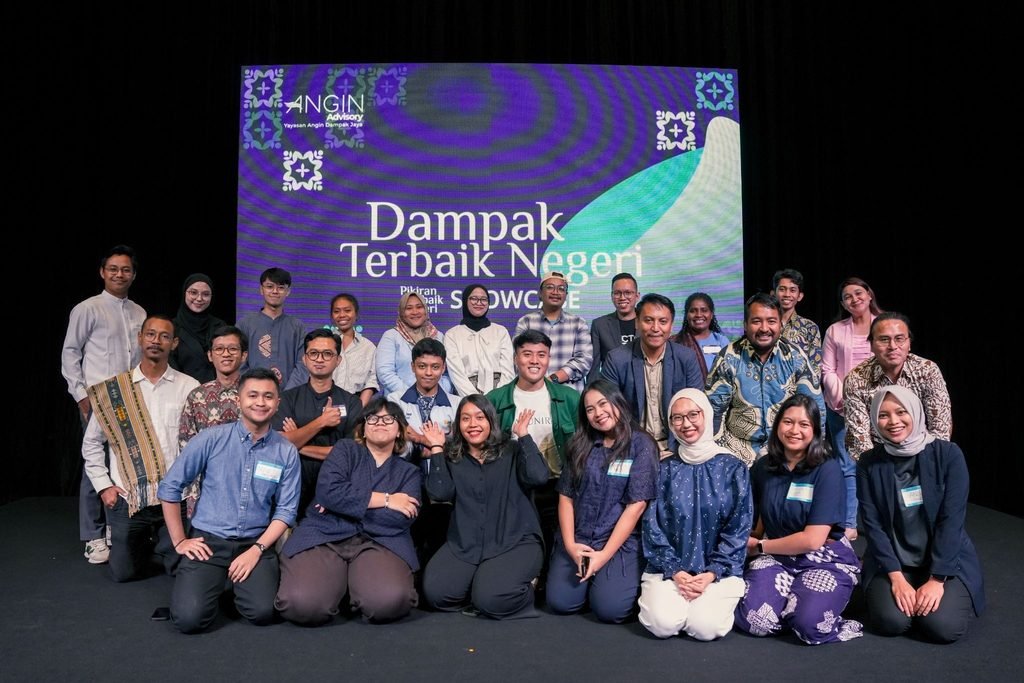
Launched by Yayasan BUMN in partnership with Avantierra (formerly Angin Dampak Jaya), PTN aims to help social enterprises turn their work into lasting benefits for the communities they serve. The progress made by its 2025 participants shows how this support has translated into tangible outcomes, from higher incomes for local producers to more sustainable farming practices and improved access to healthcare.
Reaching Thousands of Beneficiaries
In 2025, PTN-supported enterprises reached more than 5,102 people across Indonesia, from Aceh to South Papua. Children accounted for the largest share of beneficiaries, at 3,121, followed by 981 women and young people and 577 farmers. The programme also reached 222 people from coastal communities, 126 healthcare workers, and 75 shrimp farmers.
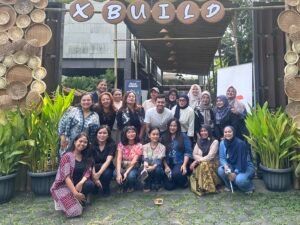
To help these enterprises build on their existing work and reach more people, each of the 20 selected enterprises received a grant of IDR 150 million. They also took part in bootcamps, received technical assistance, and gained access to networks that could help them grow their businesses.
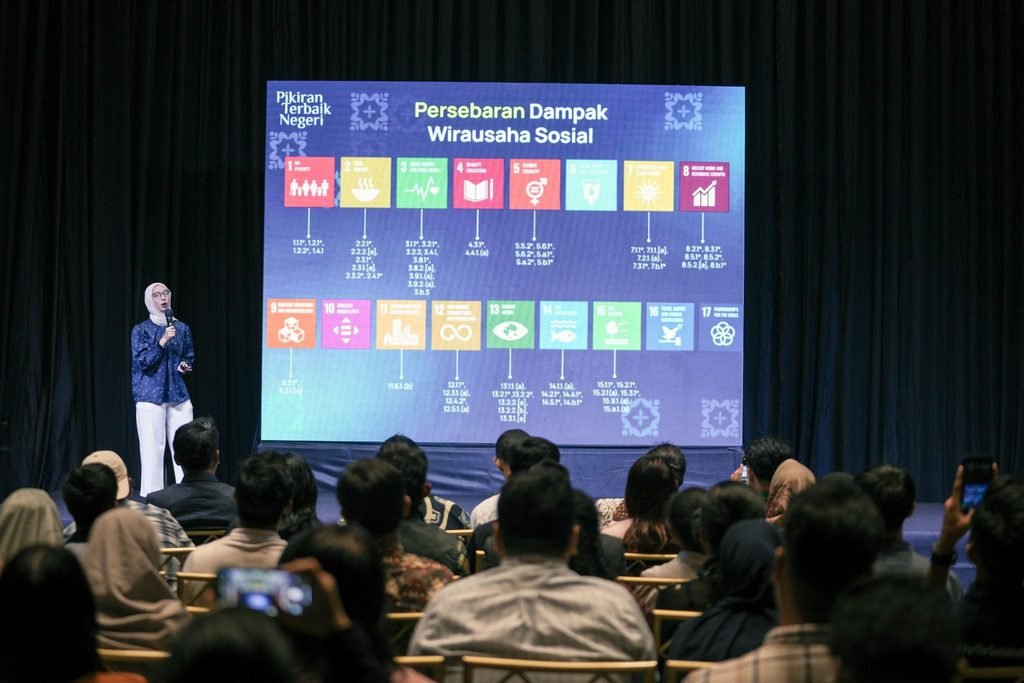
Beyond these community-level outcomes, the impact report also tracks how participating enterprises developed their capabilities and expanded their reach throughout the program. Of the 20 enterprises:
- 17 participated in capacity-building activities.
- 13 gained access to new markets.
- 11 adopted technology.
- 9 engaged in advocacy with stakeholders.
Since its launch in 2024, PTN has supported 40 social enterprises and reached more than 25,000 people. The results from the 2025 cohort show how these businesses are developing their solutions and working to address challenges in the communities they serve.
What Changed in Local Communities?
For several enterprises, progress was reflected in higher incomes for local farmers and producers.
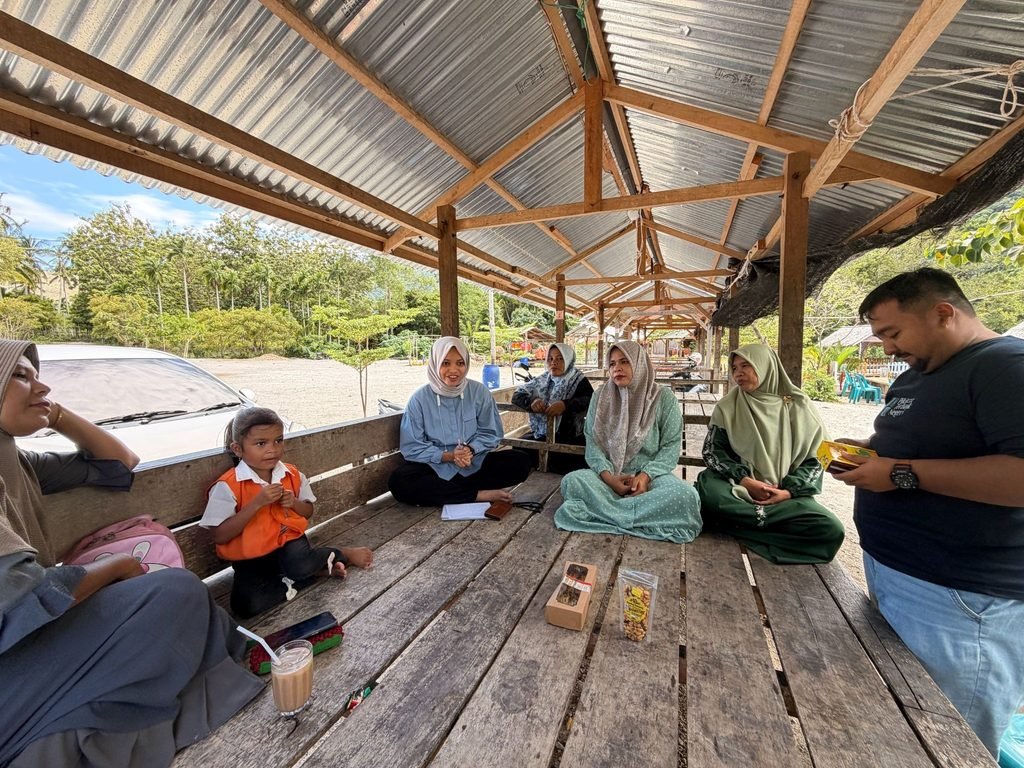
In Aceh, Rumoh Pangan Aceh encouraged farmers to grow sword beans as an alternative to imported soybeans, processed into tempeh. The initiative helped raise farmers’ average monthly income from IDR 1.25 million to IDR 4 million. Tarunira recorded a similar improvement by turning lontar palm sap into organic brown sugar. The monthly income of lontar farmers increased from IDR 2.425 million to IDR 5.59 million, while cassava farmers earned IDR 3.5 million.
Meanwhile, other enterprises focused on making production less resource-intensive and reducing waste. Pandawa Agri, for instance, helped rice farmers cut their use of synthetic fertilizers by 20.89% and synthetic pesticides by 51.8%. Econella reduced clove leaf waste by 35% and waste from bioadditive production by 87%. Ravelware, meanwhile, increased the volume of plastic processed into Green Graphene material from 85 kilograms to 300 kilograms.
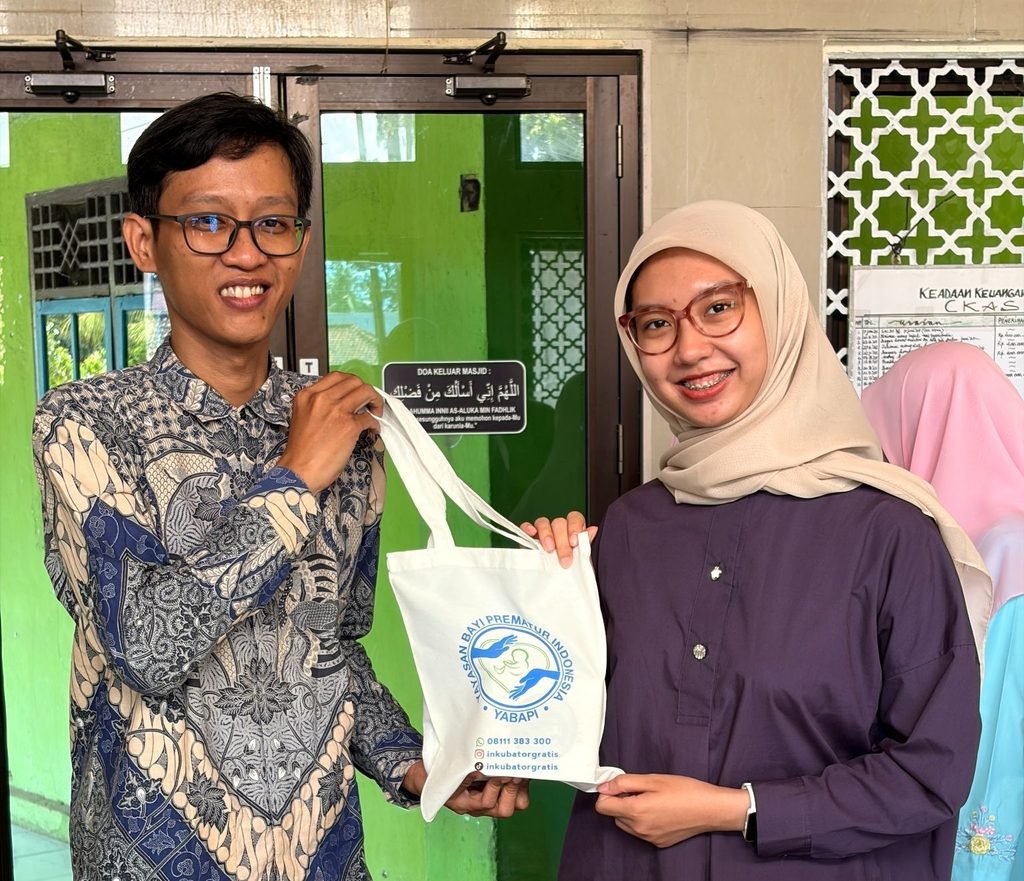
In healthcare, some of the reported gains came from improvements in screening technology and digital record-keeping. HerLens increased the specificity of its AI model for cervical cancer screening from 79% to 94%. DoctorTool expanded the number of digital health records at community health centers (Puskesmas) from 594 to 3,486. Meanwhile, YABAPI supported the care of premature infants by providing incubators and phototherapy lamps. During the measurement period, the average recorded weight of infants increased from 2,066 grams to 2,475 grams.
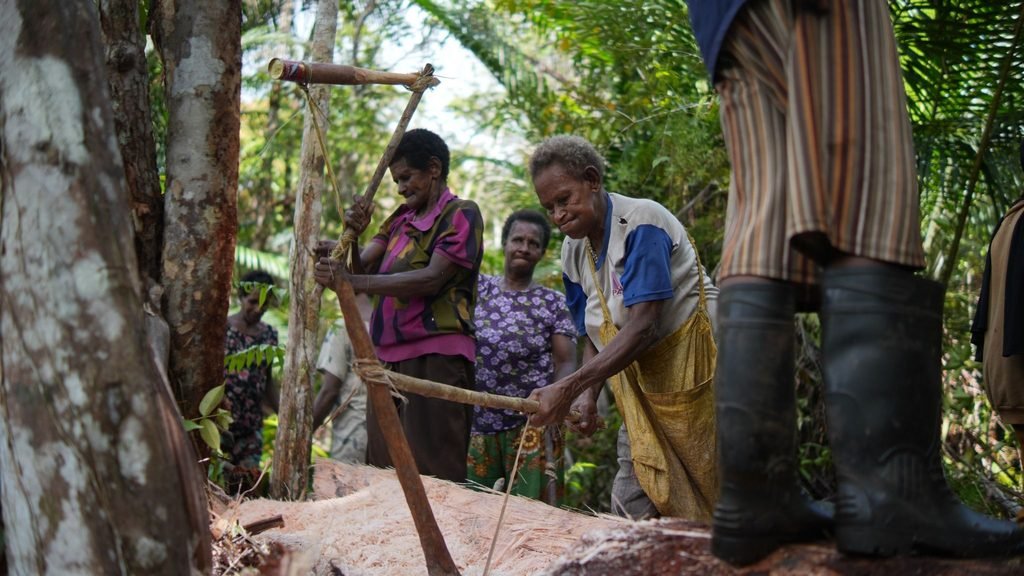
Several enterprises also built their businesses around local resources, traditional skills, and opportunities for women and Indigenous communities. Sinagi Papua, for instance, worked with women and the Moi Indigenous community to produce nipa palm salt. They are helping increase their monthly income from IDR 1.5 million to IDR 2.75 million. Similar gains were seen among artisans working with Ki.basic. Their noken-making activities helped raise their monthly income from IDR 1.6 million to IDR 2.65 million. Weavers working with Tenunin also recorded an increase from IDR 575,000 to IDR 1.2 million. Meanwhile, Gawirea took a similar community-based approach through a women-led sago processing project powered by renewable energy. The project raised the household income from IDR 1.5 million to IDR 1.9 million.
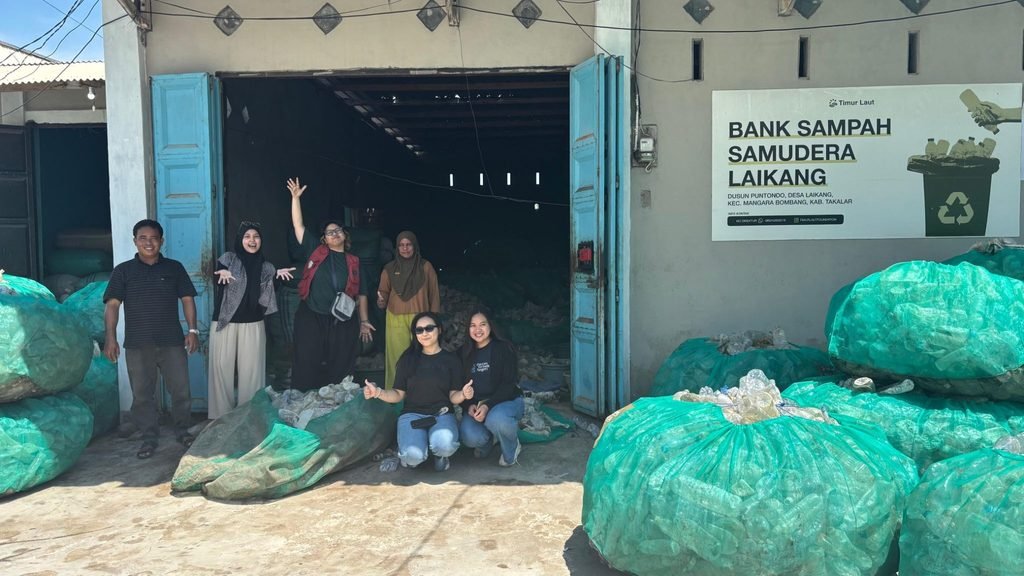
Agriculture and fisheries also saw improvements. Aquabloom increased the income of fruit and vegetable farmers from IDR 49.2 million to IDR 60.1 million during the intervention period. Terangin raised red onion productivity from nine to 13 tons per hectare, while Aqubeta reduced pathogen levels in shrimp ponds by 98.77% in approximately two months. In coastal Takalar, the Timur Laut Foundation’s community-based waste collection initiative generated IDR 636,000 in monthly community income.
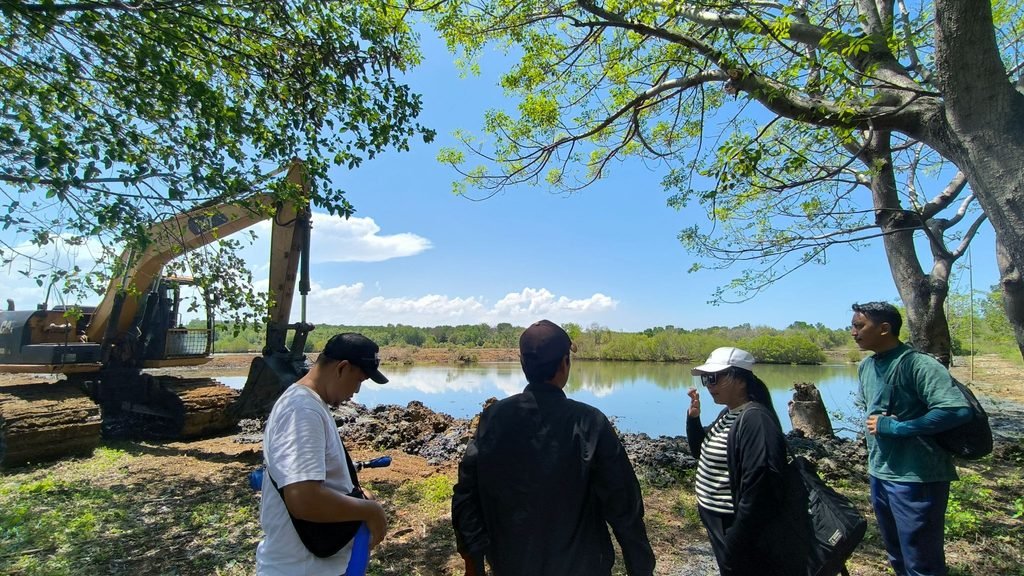
On the other hand, other participants explored ways to make better use of local resources or address needs that often receive less attention. Agridea turns lower-grade pineapples into higher-value products, helping raise farmers’ income from IDR 1.75 million to IDR 3 million. In Rote Ndao, Rahsa Nusantara provides education on local foods and nutrition for healthcare workers and pregnant women. Jendela Ibu trains parents of children with disabilities in behavioral therapy and helps them find employment as therapists. Blue Forests, meanwhile, combines mangrove restoration with sustainable aquaculture to support the blue economy.
Together, these initiatives show the different ways social enterprises can respond to local challenges. Their approaches vary, but each seeks to build on existing resources, skills, and community needs to create practical solutions.
Turning Connections into Business Growth
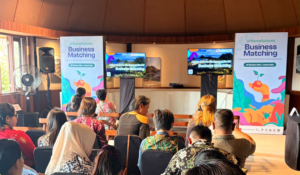
For social enterprises, developing a promising solution is only part of the journey. Reaching customers, finding business partners, and securing market opportunities are also important to keeping their work going. Reflecting this need, 13 of the 20 enterprises participating in PTN 2025 gained access to new markets.
Agridea offers one example of how these connections can develop. With support from the PTN team, the enterprise participated in the Halal Startup Demo Day, organized by the National Committee for Sharia Economy and Finance (KNEKS). It subsequently signed a memorandum of understanding (MoU) valued at USD 400,000 with the Indonesian Muslim Entrepreneurs Community (KPMI), along with a USD 24,000 contract with the Rahmania Foundation.
These agreements represent potential opportunities for commercial collaboration, rather than guaranteed revenue. Even so, it gives Agridea new avenues to develop its business, build relationships with partners, and bring its products to a wider market. For enterprises working to address social and environmental challenges, access to these kinds of networks can be an important step toward building a more sustainable business.
Keeping the Momentum Going
The progress recorded during PTN 2025 provides a starting point for the participating enterprises to build on their work. The next step is to keep their businesses running and bring their solutions to more communities, even after the program ends.
To do that, each enterprise will need to keep its business viable and maintain the partnerships that support its work. How well they can do this will shape whether the progress made during the program can be sustained over time.
Read the full PTN 2025 impact report to explore the progress made by the 20 participating social enterprises, learn more about their work, and see how their solutions are reaching communities across Indonesia.